Skip to content
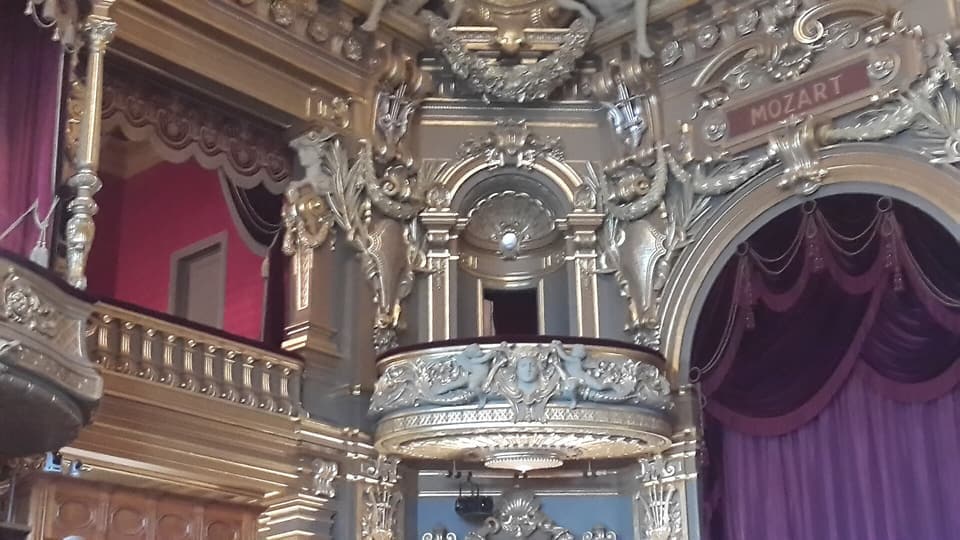
The gilded auditorium of the Salle Garnier at the Opéra de Monte-Carlo
Garnier’s other opera house

Opéra de Monte-Carlo

The Salle Garnier, built onto the back of the Casino in 1878 by the architect of the Paris Opera. Diaghilev’s Ballets Russes were based here, and several Massenet operas had their premieres on this stage.

Charles Garnier designed it in five months and it opened in 1879 with Sarah Bernhardt performing. The auditorium is small — under 600 seats — and almost absurdly gilded, with frescoes, caryatids and a stage that opens onto a wall of windows facing the Mediterranean.

Its cultural record is genuinely significant, not just decorative. Sergei Diaghilev made Monte-Carlo the base for the Ballets Russes, Massenet premiered several operas here, and Ravel’s L’Enfant et les sortilèges had its first performance on this stage in 1925.

Tickets to a performance are the best way in. Outside the season, guided tours of the Casino building usually include the Salle Garnier.

Practical details

Where Inside the Casino building, Place du Casino
Season Roughly September to April
Tip Under 600 seats — book well ahead

Getting there

Everything in Monaco is within a twenty-minute walk, but the country climbs from sea level to about 160 metres — use the network of roughly 80 free public lifts and escalators rather than the streets. Buses 1, 2 and 6 cover the whole Principality for a couple of euros. Full detail in the Monaco travel guide, and transfers from Nice airport in getting to Monaco.

Live availability

Tours including Opéra de Monte-Carlo

Powered by GetYourGuide
Nearby

Other Monaco sights

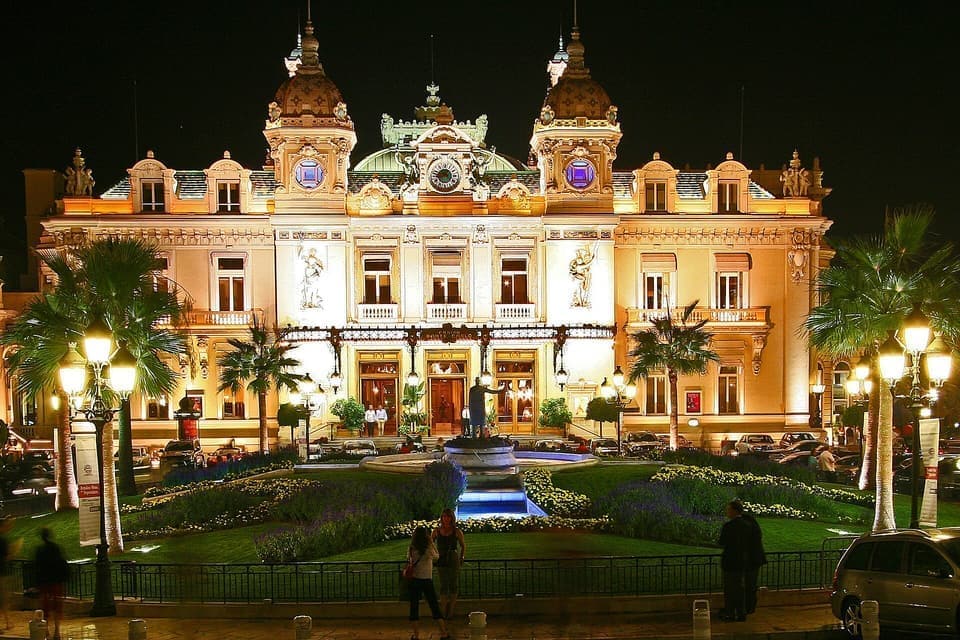
The floodlit Belle Époque facade of the Casino de Monte-Carlo at night Monte-Carlo

Casino de Monte-Carlo

The building that paid for a country

The most famous gaming room on earth, opened in 1863 to save the Grimaldis from bankruptcy — and successful enough that Monegasque citizens have paid no income tax since. Charles Garnier, architect of the Paris Opera, designed the concert hall attached to it.
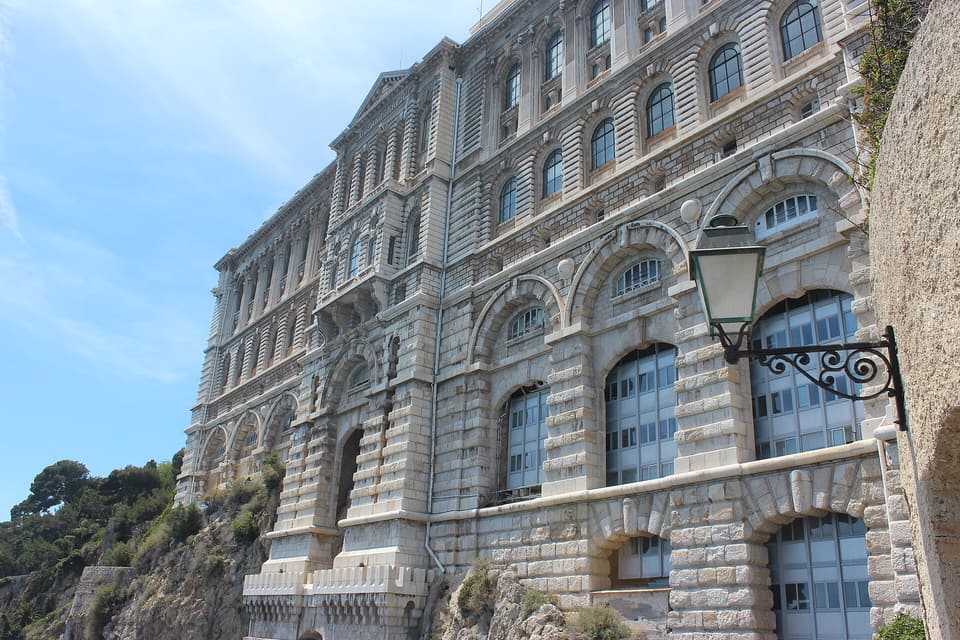
The Oceanographic Museum of Monaco rising from the cliff face above the sea Monaco-Ville

Oceanographic Museum

A prince, a cliff and Jacques Cousteau

Better than almost any aquarium, because it was never meant to be one. Prince Albert I built it into the cliff face in 1910 as a serious research institution, and Jacques Cousteau ran it for thirty years.

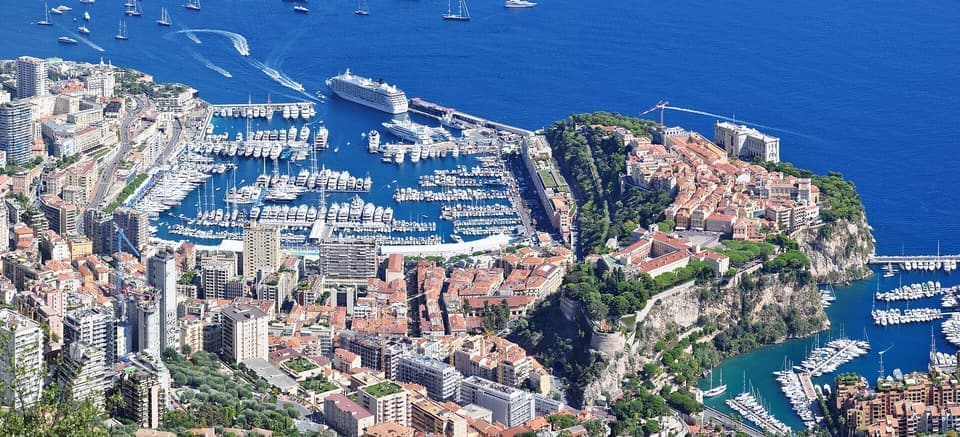
The Rock of Monaco with the Prince’s Palace above the sea Monaco-Ville

Prince’s Palace

Taken by a monk with a sword, 1297

A working royal residence on the site of a Genoese fortress. François Grimaldi took it in 1297 disguised as a Franciscan monk — which is why two sword-carrying monks still stand on the Monegasque coat of arms.